
Introduction
Different countries have different origin stories for Labour Day or May Day. However, the emphasis of this day is usually on the accomplishments and efforts of workers. It raised awareness about the rights and opportunities that every worker should have for their own health and advancement.
As we all know, a Labourer is the component of society that underpins all economic progress. Also, in today’s mechanical age, the value of a labourer has not diminished. Labour contribution is critical in industries such as manufacturing, commerce, agriculture, construction of houses, bridges, highways, and so on. So, we can say that Labour is the accretion of all human physical and mental endeavour operated in the production of goods and services. It is the fundamental element for the output.
What Is the Purpose of Labour Day?
Labour Day, an annual celebration of workers and their accomplishments, began during one of the most difficult periods in American labour history.
To earn bread in the late 1800s, at the pinnacle of the United States’ Industrial Revolution, the average American worked 12 hours a day and seven days a week. In spite of some federatal controls, children as young as 5 or 6 worked in mills, factories, and mines around the country, receiving a fraction of what their adult companions did.
People of all ages, particularly the poor and recent immigrants, frequently worked in hazardous conditions. What conditions? They had little access to fresh air, sanitary facilities, or breaks.
Labour unions, which had first emerged in the late 18th century, became more influential and vocal. How? Manufacturing gradually supplanted agriculture as the source of American employment. To protest unfair working conditions and force employers to renegotiate hours and wages, they started organizing strikes and demonstrations.
Many of these incidents were violent during this time period, including the notorious Haymarket Riot of 1886. The aforementioned resulted in the deaths of several Chicago police officers and staff. Others established long-standing traditions, such as the first Labor Day parade in the United States, which took place on September 5, 1882, when 10,000 employees took unpaid time off to rally from City Hall to Union Square in New York.
The concept of a “workingmen’s holiday” caught on in other manufacturing cities around the country, and several states passed laws to recognize it. Just 12 years later, employees of Chicago’s Pullman Palace Car Company went on strike on May 11, 1894. They did it to protest pay cuts and the dismissal of union leaders. So, Congress legalized the holiday. This was indeed a horrendous day in the history of American Labour protests.
The American Railroad Union, led by Eugene V. Debs, called for a boycott of all Pullman railway cars. It happened on June 26, crippling rail traffic throughout the country. The federal government intervened to end the Pullman strike. What did the government do? To put an end to the Pullman strike, the federal administration sent troops to Chicago. It led to a surge of riots that resulted in the deaths of more than a dozen workers.
Therefore, we celebrate Labour Day on May 1st every year. However, the US honours the American labour movement, similar to Canada, on the first Monday of September. It honours the day as its official federal holiday. The reason? Explicitly choosing not to switch its federal day to May Day. Also, to pay tribute to labourers who sacrificed themselves for the great cause and distinguish it from International Workers’ Day. Still, it is important to note that May 1st, as May Day, the day to honor labourers, is the result of the Haymarket Riot of May 4th, 1886, in Chicago, which socialist groups chose to honor the Haymarket martyrs.
Who Initiated the Celebration of Labour Day?
In the aftermath of the widespread violence, Congress passed legislation making Labour Day a legal holiday in the District of Columbia and the territories in an effort to mend relations with American workers. The head of state, Grover Cleveland, signed it into law in June 1894.
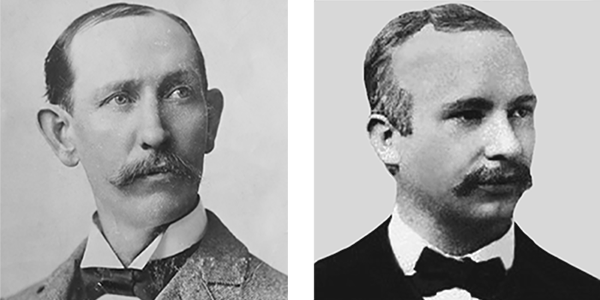
Many people give credit to others; some say it was Matthew Maguire, a secretary of the Central Labour Union, who first proposed the holiday, while others say it was Peter J. McGuire, cofounder of the American Federation of Labour. However, the real founder of May Day has yet to be named more than a century later.
What Are the Traditions of Celebrating Labour Day?
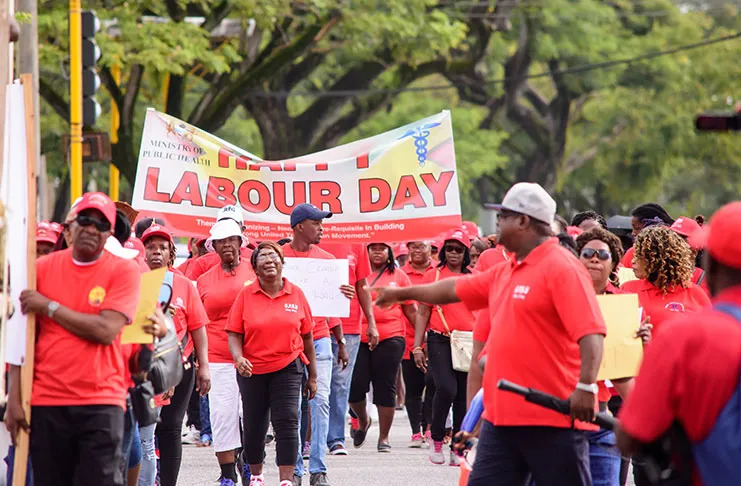
Many countries around the world observe International Workers’ Day, also known as May Day or Labour Day. Those countries celebrate the day as an official holiday to honour the achievements of workers. On this day, countries plan a variety of programmes and events. Labourers paint banners and flags in various colours on this day. Also, the television and social media broadcast various news and messages about this day to raise social consciousness among the public.
As a result, various countries around the world commemorate May 1st, May Day, every year to raise awareness about the rights and opportunities that every worker should have for their livelihood. However, the United States (U.S) celebrates this day on the first Monday of September, as an annual federal holiday.
How Is Labour Day Celebrated in Recent Times?
Despite the fact that Labour Day weekend is now synonymous with barbecues, weekend getaways, and summer clearance sales, worker-oriented May Day parades and celebrations abound in hundreds of cities across the United States, as happened in 2019 and the years following that, except during the COVID-19 and post-pandemic period. Faces of all races and ethnicities are visible in pictures of those parades. So, unions today are more diverse than ever before.
Because of COVID-19, parades were cancelled in 2020, but some unions commemorated the day by doing good deeds. According to NBC 4 Los Angeles, a Labour group in Los Angeles came together to fund a food distribution that served thousands.
The AFL-CIO and other unions are now dominated by Labour leaders who are focused on day-to-day problems rather than broad social change. Unions also try to benefit their members by endorsing political candidates, funding political action groups, and taking positions on topics such as human rights and workplace security.
Conclusion
Labour Day is a day for unwinding and rejuvenation. It is also a good time to remember those who fought for workers’ rights and implemented reforms. They set a great trend for the generations to come. However, the Labourers were only granted their minimum legal rights because of a few people who came forward and urged others to do so as well. Now, it is time for us to strive for the daily wagers, especially in our premises, who work endlessly for relatively low margins.